
Cost of Studying at TU Delft: Aerospace & Computer Science 2026/27

Planning to study Aerospace Engineering or Computer Science at TU Delft? Here's a realistic breakdown of what you'll spend on tuition, housing, and daily life in Delft.
Tuition Fees 2026/27
For the academic year 2025/2026, the tuition fees for BSc. Aerospace Engineering and BSc. Computer science and engineering at TU Delft are as follows:
- EU/EFTA/Swiss/Surinamese students: €2,694
- Non-EU/EEA students: €19,906
Note: Fees are set annually by the Dutch government (statutory fee) and TU Delft (institutional fee). Check TU Delft's website for the most current figures.
Important: If you're a non-EU student, look into scholarships. TU Delft and external organizations offer various options that can significantly reduce costs.
Housing: €400–700/month
Finding housing in Delft is notoriously difficult. Start looking early — ideally several months before your arrival.
Option 1: Through TU Delft (DUWO/Accommodate)
- Pros: Guaranteed housing, furnished, easy process
- Cons: Fixed one-year contract, cannot extend, limited availability
- Cost: €400–600/month depending on room type
- How: Apply through Accommodate as soon as you receive your admission
Option 2: Find Housing Yourself
- Realistic budget: €450–650/month (rooms under €400 are rare)
- Platforms:
- Pros: More flexibility, can stay for entire study duration
- Cons: Time-consuming, competitive
Warning: Rental scams are common, especially on Facebook. Never pay before viewing a room or verifying the landlord's identity. If it seems too good to be true, it probably is.
Option 3: Live in a Nearby City
Some students live in Rotterdam, The Hague, or Leiden and commute. Housing can be slightly easier to find, though you'll spend more on transportation and miss out on Delft student life.
Monthly Living Costs
Here's a realistic monthly budget for a student living in Delft:
Transportation
Bike (recommended):
- Swapfiets subscription: €19.50/month — includes repairs and replacement if stolen
- Second-hand bike: €100–200 one-time purchase
- Delft is a cycling city. You'll use your bike daily.
Public Transport:
- OV-chipkaart (required): €7.50 one-time
- Dal Voordeel subscription: €5.70/month for 40% off trains during off-peak hours
- Useful for trips to Rotterdam (15 min), The Hague (15 min), Amsterdam (1 hour)
Tip: Even one or two train trips per month makes Dal Voordeel worth it.
Health Insurance
If you're from the EU/EEA, your European Health Insurance Card (EHIC) covers basic healthcare.
Non-EU students must purchase Dutch health insurance or international student insurance (€30–130/month depending on coverage).
If you work more than 32 hours/month in the Netherlands, you're required to get Dutch basic health insurance (~€130/month).
Books & Study Materials
- Expected cost: €200–500/year
- Tip: Join the student association VSV 'Leonardo da Vinci' (for Aerospace) — they sell second-hand books and offer discounts
- Many course materials are available digitally through the university library
Student Associations
Joining a student association is highly recommended for social life and practical benefits:
- VSV 'Leonardo da Vinci' — Aerospace Engineering association
- Christiaan Huygens — Computer Science association
Membership costs €15–30/year and gives you access to book sales, study support, social events, and a network of students in your program.
Summary: First-Year Budget
Annual total (EU student): ~€15,000–17,000
Annual total (non-EU student): ~€30,000–33,000
Tips to Save Money
- Cook at home — Eating out in the Netherlands is expensive
- Buy second-hand books — Through student associations or Marktplaats
- Get Dal Voordeel — The train discount pays for itself quickly
- Student discounts — Always ask; many shops, museums, and services offer them
- Work part-time — International students can work up to 16 hours/week
Explore more

Complete TU Delft Aerospace Selection Guide 2026/27

TU Delft Computer Science Application Guide 2025/26
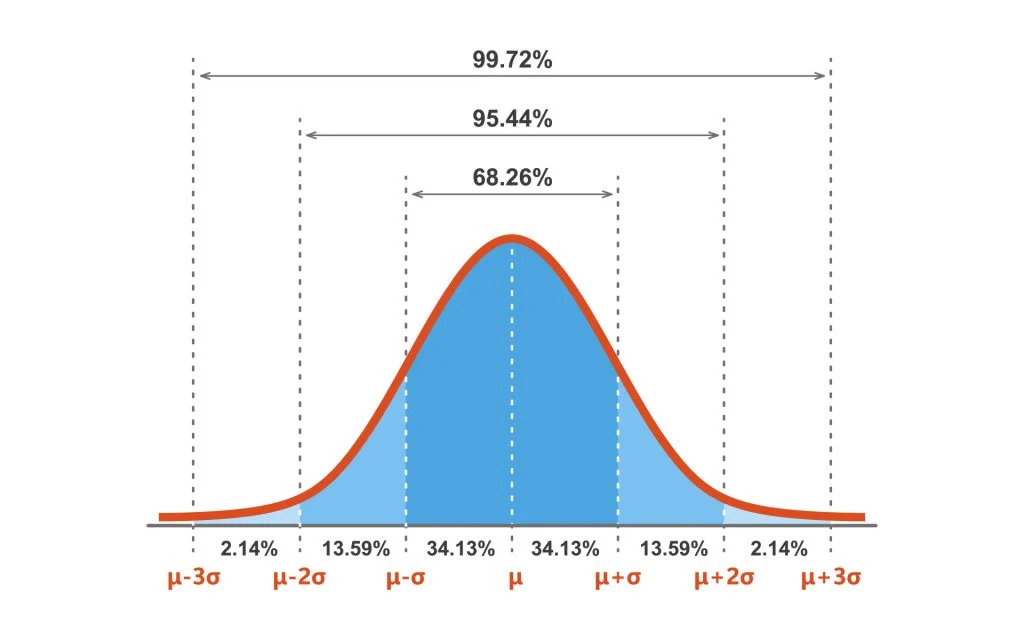
Understanding the Ranking System of the Entrance Exams
Free First-Year Topics Study Guides